
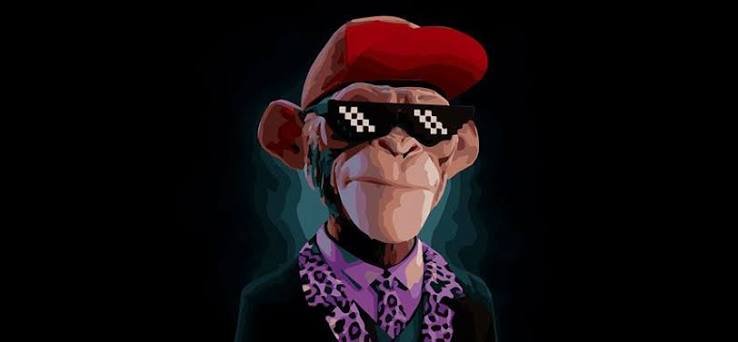
For about eighteen months, “we’re launching an NFT” was something every marketing department felt obligated to say. It was 2021 into early 2022, crypto was mooning, and dropping a collection made a brand look innovative to investors and tech press. A lot of those campaigns aged like milk.
But not all of them. Underneath the embarrassing cash-grabs, a few brands figured out something genuinely useful – NFTs as a loyalty and access tool, not a stunt. That’s the version that survived. Here’s the whole picture, including the parts that went badly.
Why Marketers Got Excited
The appeal was real even if the execution often wasn’t.
An NFT gives a brand a few things a regular promo can’t. It’s a digital asset the customer actually owns, so it feels more valuable than a coupon. It lives in their wallet, visible, kind of like a badge. It can carry perks – access, discounts, exclusive content. And every resale can be tracked, so the brand keeps a relationship with the item even after the first owner moves on.
There’s also the community angle. Owning a brand’s NFT can feel like membership in a club. Done right, that turns customers into a tight community that promotes the brand for free. Done wrong, it’s a server full of people angry their JPEG lost 90% of its value.
The Stuff That Flopped
Let’s start here because the failures are instructive and funny.
The classic mistake was treating an NFT as a money-printing event rather than a marketing tool. Brand drops a collection, charges for it, makes a quick bag, and offers nothing of value behind it. Customers caught on fast. When the floor price tanked – and it almost always tanked – those buyers felt scammed by a company they used to like. That’s worse than running no campaign at all.
Ubisoft is the textbook disaster. They launched an NFT platform called Quartz for in-game items, and the gaming audience revolted. The announcement video got something like a 96% dislike ratio before Ubisoft quietly unlisted it. Gamers didn’t want speculative tokens bolted onto their games, and Ubisoft completely misread the room.
Then there was the wave of brands buying virtual land or dropping collections purely so a press release could include the word “metaverse.” Banks, fast food chains, consultancies. Most of these had no plan beyond the announcement. The land sat empty, the collection went nowhere, and the budget evaporated. Pure FOMO spending.
The pattern in every flop: the NFT was the point, instead of the NFT being a means to something the customer wanted.
The Stuff That Worked
Now the part worth learning from.
Starbucks Odyssey is the case study everyone cites. Instead of selling speculative art, Starbucks built NFTs into a loyalty program. Customers earned digital collectibles (“Journey Stamps”) by doing challenges, and those unlocked perks and experiences. The genius move: they never used the word NFT prominently and they ran it on a low-cost chain so the friction was minimal. The program enrolled over two million members. People engaged with it because it was a better loyalty program, not because they were gambling on token prices.
Nike’s .SWOOSH generated real revenue selling virtual sneakers and apparel, tying digital items to the brand’s identity. Even though Nike later restructured its digital efforts, the core idea – digital collectibles tied to a brand people already love – moved actual money.
Bored Ape Yacht Club, on the project side rather than a traditional brand, showed the community model at full power. Owning an ape granted commercial rights, event access, and membership in a network that included celebrities. Holders built businesses on their apes. That’s a community a brand would kill for.
The common thread: these gave people something to do or something to use, beyond hoping the price went up. The NFT was a key that unlocked value, not the value itself.
What Brands Actually Do With NFTs Now
The hype is gone and what’s left is more sensible. The smart applications in use today:
Loyalty programs. Digital collectibles that stack into rewards, the Starbucks model. Customers collect, engage, and unlock perks. Nobody calls them NFTs and nobody cares about resale price.
Event tickets and access. Token-gated entry to launches, drops, experiences, or online communities. Hold the token, get in. This doubles as anti-scalping since the brand controls the rules.
Phygital products. A physical item paired with a digital token – sneakers, apparel, collectibles. The token proves authenticity and can carry extra content or perks. The luxury and streetwear worlds use this.
Proof of fandom. Rewarding your most engaged customers with collectibles that mark them as early supporters or VIPs. It costs little and makes people feel seen.
Notice none of these depend on the customer making money. The value is the perk, the access, the status, the authenticity – not speculation. That’s the lesson the whole industry learned the hard way.
If You’re a Marketer Thinking About This
A few honest pointers, since most advice on this topic is written by people selling NFT services.
Don’t lead with the technology. Customers don’t want “an NFT,” they want a perk, an experience, or a status marker. Build that first and let the token be the quiet plumbing underneath. Starbucks barely mentioned the blockchain and that was the right call.
Don’t charge people to buy in unless you’re delivering ongoing value. The drop-and-dump model torched a lot of brand trust. If you sell a collectible, you’re now on the hook to make it worth something through utility, or you’ll have angry customers when it drops.
Use a cheap, low-friction chain. If your customer needs to set up a crypto wallet, buy ETH, and pay $40 in gas to claim a loyalty reward, you’ve lost them. The successful programs ran on chains where the cost and complexity were close to invisible.
And read the room. Ubisoft didn’t, and got humiliated. Some audiences are hostile to anything crypto-adjacent. Know yours before you commit budget.
The short version: NFT marketing works when it’s marketing first and NFT second. The moment the token becomes the product instead of the tool, you’re in flop territory.