
From the outside, spending thousands on a digital image that anyone can screenshot sounds absurd. From the inside, the motivations are more varied – and more rational – than most critics assume.
People buy NFTs for the same mix of reasons they buy art, concert tickets, sports memorabilia, and stocks. The medium is new. The psychology is ancient.
1. Digital Ownership That’s Actually Verifiable
Before NFTs, “owning” a digital file meant having a copy – identical to every other copy. NFTs changed that by attaching a unique, blockchain-verified certificate of ownership to a specific digital asset.
For people who spend significant time in digital environments – gamers, creators, collectors – provable ownership of digital items carries real psychological and social value. It’s the same reason someone pays more for an original painting than a print, even though both look the same on a wall.
2. Supporting Artists Directly
NFTs let artists sell directly to collectors without galleries, agents, or record labels taking a cut. More importantly, smart contract royalties (typically 5-10%) mean creators earn from every future resale automatically.
A musician who sells an NFT album retains ongoing income every time it changes hands. A digital artist who sells a piece for $500 earns $50 every time it resells at that price. This economic model didn’t exist before NFTs, and for many buyers, supporting this creator-first system is the primary motivation.
3. Community Access and Membership
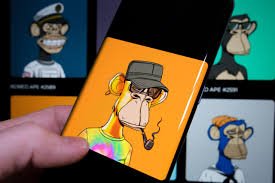
Many NFT projects function as membership tokens. Owning a Bored Ape grants access to private events, online communities, merchandise drops, and collaborative opportunities. The NFT is the key; the community is the value.
This model has expanded beyond art collections. Starbucks Odyssey used NFTs for its loyalty program, enrolling over 2 million members. Music artists offer NFT holders exclusive backstage access. Conference organizers use NFTs as VIP passes with built-in perks.
The community aspect explains why some people pay premiums for specific collections even when the art itself could be replicated – they’re buying the network, not just the image.
4. Speculation and Profit
The elephant in the room. During the 2021 boom, most buyers were speculating – purchasing NFTs with the expectation of selling them at a higher price.
That motivation hasn’t disappeared in 2026, though it’s dramatically reduced. Traders still flip NFTs on Blur and OpenSea, targeting volume spikes and collection announcements. The difference is that post-crash speculators tend to be more sophisticated, focusing on blue chip collections with proven liquidity rather than random new launches.
5. Status and Social Signaling
Using a CryptoPunk or Bored Ape as a profile picture on Twitter/X communicates something: you’re part of a specific digital culture, you have the financial resources to participate, and you value digital identity.
This isn’t fundamentally different from wearing a luxury watch or driving a specific car. The medium is digital, but the human desire to signal identity and status through possessions is unchanged. NFTs just brought that dynamic online.
6. Collecting Behavior
Humans collect things. Baseball cards, stamps, sneakers, wine, vintage watches – the impulse to acquire, curate, and display a collection is deeply wired.
Digital collectibles tap into the same psychology. CryptoPunks function like rare trading cards. Art Blocks generative pieces appeal to the same collectors who buy prints at art fairs. Sports NFTs (NBA Top Shot moments) serve fans who previously collected physical memorabilia.
The “but it’s digital” objection fades when you realize most collectors care about rarity, authenticity, and completeness – all of which NFTs provide with mathematical precision through blockchain verification.
7. Utility and Real-World Benefits
Increasingly, people buy NFTs because they do something. Event tickets issued as NFTs provide fraud-proof entry and programmable resale rules. Identity NFTs serve as decentralized credentials. Gaming NFTs represent in-game assets that can be traded on external marketplaces.
This buyer category barely existed during the 2021 boom. In 2026, utility-driven purchasing is the fastest-growing segment.
8. Portfolio Diversification
A small allocation to blue chip NFTs functions as an alternative asset in a diversified portfolio – similar to art, wine, or collectible cars. Institutional collectors and crypto-native funds treat top-tier NFTs as stores of value with low correlation to traditional markets.
This applies only to the highest tier. CryptoPunks and select Art Blocks pieces qualify. Random collections do not.
The Common Thread
Every reason above connects to a human need that predates technology: ownership, belonging, status, creative expression, financial gain, or collecting. NFTs didn’t invent these motivations. They created a digital-native way to fulfill them.
The people who buy NFTs in 2026 aren’t irrational. They’re acting on the same impulses that drive every collector, fan, investor, and community member. The wrapping is new. The wiring is old.
FAQ
Is buying an NFT worth it?
It depends entirely on your motivation and risk tolerance. For supporting artists, accessing communities, or collecting digital art, NFTs offer unique value. As a speculative investment, they carry extreme risk – most NFTs lose value, and only blue chips have demonstrated durability.
What do you actually get when you buy an NFT?
You receive a unique token on a blockchain that proves you own a specific digital asset. Depending on the project, you may also get community access, IP rights, event invitations, or other perks. You do not automatically get copyright to the underlying artwork.
Why would someone pay millions for an NFT?
For the same reasons someone pays millions for a Basquiat painting or a 1952 Mickey Mantle card – rarity, historical significance, status, and the belief that demand from future collectors will sustain or increase the value.