
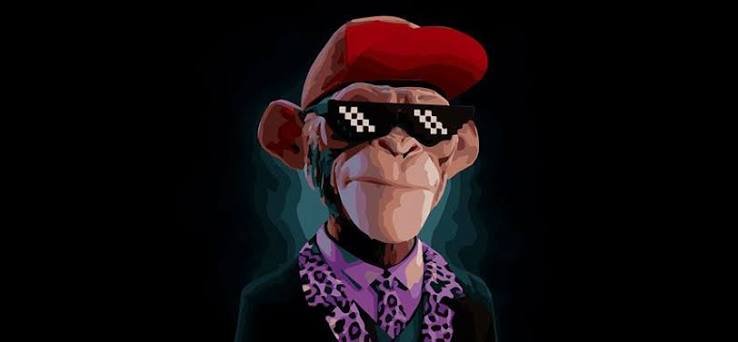
NFTs in Marketing: What Worked, What Flopped, and What Brands Actually Do Now

For about eighteen months, “we’re launching an NFT” was something every marketing department felt obligated to say. It was 2021 into early 2022, crypto was mooning, and dropping a collection made a brand look innovative to investors and tech press. A lot of those campaigns aged like milk.

But not all of them. Underneath the embarrassing cash-grabs, a few brands figured out something genuinely useful – NFTs as a loyalty and access tool, not a stunt. That’s the version that survived. Here’s the whole picture, including the parts that went badly.

Why Marketers Got Excited

The appeal was real even if the execution often wasn’t.

An NFT gives a brand a few things a regular promo can’t. It’s a digital asset the customer actually owns, so it feels more valuable than a coupon. It lives in their wallet, visible, kind of like a badge. It can carry perks – access, discounts, exclusive content. And every resale can be tracked, so the brand keeps a relationship with the item even after the first owner moves on.

There’s also the community angle. Owning a brand’s NFT can feel like membership in a club. Done right, that turns customers into a tight community that promotes the brand for free. Done wrong, it’s a server full of people angry their JPEG lost 90% of its value.

The Stuff That Flopped

Let’s start here because the failures are instructive and funny.

The classic mistake was treating an NFT as a money-printing event rather than a marketing tool. Brand drops a collection, charges for it, makes a quick bag, and offers nothing of value behind it. Customers caught on fast. When the floor price tanked – and it almost always tanked – those buyers felt scammed by a company they used to like. That’s worse than running no campaign at all.

Ubisoft is the textbook disaster. They launched an NFT platform called Quartz for in-game items, and the gaming audience revolted. The announcement video got something like a 96% dislike ratio before Ubisoft quietly unlisted it. Gamers didn’t want speculative tokens bolted onto their games, and Ubisoft completely misread the room.

Then there was the wave of brands buying virtual land or dropping collections purely so a press release could include the word “metaverse.” Banks, fast food chains, consultancies. Most of these had no plan beyond the announcement. The land sat empty, the collection went nowhere, and the budget evaporated. Pure FOMO spending.

The pattern in every flop: the NFT was the point, instead of the NFT being a means to something the customer wanted.

The Stuff That Worked

Now the part worth learning from.

Starbucks Odyssey is the case study everyone cites. Instead of selling speculative art, Starbucks built NFTs into a loyalty program. Customers earned digital collectibles (“Journey Stamps”) by doing challenges, and those unlocked perks and experiences. The genius move: they never used the word NFT prominently and they ran it on a low-cost chain so the friction was minimal. The program enrolled over two million members. People engaged with it because it was a better loyalty program, not because they were gambling on token prices.

Nike’s .SWOOSH generated real revenue selling virtual sneakers and apparel, tying digital items to the brand’s identity. Even though Nike later restructured its digital efforts, the core idea – digital collectibles tied to a brand people already love – moved actual money.

Bored Ape Yacht Club, on the project side rather than a traditional brand, showed the community model at full power. Owning an ape granted commercial rights, event access, and membership in a network that included celebrities. Holders built businesses on their apes. That’s a community a brand would kill for.

The common thread: these gave people something to do or something to use, beyond hoping the price went up. The NFT was a key that unlocked value, not the value itself.

What Brands Actually Do With NFTs Now

The hype is gone and what’s left is more sensible. The smart applications in use today:

Loyalty programs. Digital collectibles that stack into rewards, the Starbucks model. Customers collect, engage, and unlock perks. Nobody calls them NFTs and nobody cares about resale price.

Event tickets and access. Token-gated entry to launches, drops, experiences, or online communities. Hold the token, get in. This doubles as anti-scalping since the brand controls the rules.

Phygital products. A physical item paired with a digital token – sneakers, apparel, collectibles. The token proves authenticity and can carry extra content or perks. The luxury and streetwear worlds use this.

Proof of fandom. Rewarding your most engaged customers with collectibles that mark them as early supporters or VIPs. It costs little and makes people feel seen.

Notice none of these depend on the customer making money. The value is the perk, the access, the status, the authenticity – not speculation. That’s the lesson the whole industry learned the hard way.

If You’re a Marketer Thinking About This

A few honest pointers, since most advice on this topic is written by people selling NFT services.

Don’t lead with the technology. Customers don’t want “an NFT,” they want a perk, an experience, or a status marker. Build that first and let the token be the quiet plumbing underneath. Starbucks barely mentioned the blockchain and that was the right call.

Don’t charge people to buy in unless you’re delivering ongoing value. The drop-and-dump model torched a lot of brand trust. If you sell a collectible, you’re now on the hook to make it worth something through utility, or you’ll have angry customers when it drops.

Use a cheap, low-friction chain. If your customer needs to set up a crypto wallet, buy ETH, and pay $40 in gas to claim a loyalty reward, you’ve lost them. The successful programs ran on chains where the cost and complexity were close to invisible.

And read the room. Ubisoft didn’t, and got humiliated. Some audiences are hostile to anything crypto-adjacent. Know yours before you commit budget.

The short version: NFT marketing works when it’s marketing first and NFT second. The moment the token becomes the product instead of the tool, you’re in flop territory.


Supply Chain NFTs: The Boring Use Case That Actually Makes Sense

While everyone was arguing about whether a cartoon ape was worth $300,000, a much quieter version of NFTs was getting built into how companies move products around the world. No celebrities. No Discord servers melting down. Just tokens doing an unglamorous job – tracking where a thing came from and proving it’s real.

This is the part of the NFT story that doesn’t make headlines because it’s genuinely useful and therefore boring. Which is also why it survived the crash while the speculative stuff cratered.

The Problem Supply Chains Have

Global supply chains are a mess of handoffs. A product might pass through a dozen companies between raw material and store shelf – manufacturer, exporter, freight forwarder, customs, importer, distributor, retailer. Each one keeps its own records, in its own system, and those systems don’t talk to each other.

So when something goes wrong – a contaminated food batch, a counterfeit part, a shipment that vanished – tracing it back through that chain is slow and painful. Companies rely on paperwork that can be forged, databases that can be edited, and the honor system between parties who’ve never met.

Counterfeiting alone is a massive problem. Fake luxury goods, fake pharmaceuticals, fake car parts, fake electronics – the global trade in counterfeits runs into the hundreds of billions of dollars a year. A lot of it slips through because there’s no reliable way to prove an item is the real thing at every step.

Where the NFT Fits

A supply chain NFT is basically a digital passport for a physical item. The token is created when the product is made and it travels with that product, recording every step on a blockchain.

Because the blockchain record can’t be quietly altered after the fact, you get something the old system never had: a tamper-proof history. Every handoff gets logged. Every party that touches the item adds to the record. And anyone with permission can read the whole chain from origin to now.

Say a bottle of wine gets an NFT at the vineyard. The token logs the harvest date, the bottling, the shipment to the importer, the temperature conditions in transit, the arrival at the retailer. A buyer scans a code, pulls up the NFT, and sees the entire verified journey. If someone tries to pass off a counterfeit, there’s no matching token – the fake has no passport.

Ernst & Young actually built something like this for fine wine years ago, using blockchain to verify provenance for collectors who didn’t want to drop thousands on a bottle that might be fake.

What Actually Gets Tracked

The use cases that make sense tend to share a trait: the product’s authenticity or history genuinely matters to someone.

Luxury goods. Handbags, watches, sneakers. A token tied to the physical item proves it’s authentic and tracks ownership across resales. The resale market for luxury goods is huge and counterfeit-ridden, so provenance has real value here.

Pharmaceuticals. Fake medicine kills people. Tracking drugs from manufacturer to pharmacy with tamper-proof records helps catch counterfeits before they reach patients.

Food and agriculture. When there’s a contamination outbreak, the difference between tracing the source in hours versus weeks is the difference between a targeted recall and dumping entire product categories. Provenance tracking speeds that up dramatically.

High-value parts. Aerospace and automotive components where a counterfeit part can cause a catastrophic failure. Knowing a part is genuine and tracking its history matters enormously.

Diamonds and precious materials. Proving a stone is conflict-free and tracking it from mine to jeweler.

Who’s Actually Doing This

This isn’t theoretical. Real companies have run real programs.

LVMH, Prada, and Cartier teamed up on a blockchain consortium called Aura to track luxury authenticity. Walmart ran blockchain pilots for tracing food, famously cutting the time to trace mangoes back to their source from days to seconds. Various pharma companies have tested blockchain track-and-trace to comply with anti-counterfeiting regulations.

The “40% of Fortune 500 companies use NFTs in some capacity” figure that gets thrown around? A big chunk of that is exactly this kind of operational deployment, not art collecting. These companies aren’t buying JPEGs. They’re using token standards to solve logistics and authentication problems.

Why It Doesn’t Get Hyped

Here’s the thing nobody markets about supply chain NFTs: there’s no money in selling them to retail speculators.

You can’t flip a wine bottle’s provenance token for 10x. There’s no Discord pumping it. No celebrity is shilling pharmaceutical track-and-trace records. The value goes to the companies that cut fraud and the consumers who get authentic products – not to traders.

That’s also exactly why it’s durable. The speculative NFT market needed an endless supply of new buyers to keep prices up, and when those dried up, it collapsed. Supply chain tracking doesn’t depend on speculation at all. A company adopts it because it saves money on fraud and recalls, full stop. Token price is irrelevant.

The Catches

It’s not magic, and the honest version includes the limits.

The blockchain can only verify what gets put into it. If someone logs false information at the source – claims a counterfeit is genuine when they create the token – the immutable record just immutably stores a lie. The tech proves the record wasn’t changed; it can’t prove the record was true to begin with. This is the “garbage in, garbage out” problem and it’s real.

There’s also the physical-digital gap. The token is digital, the product is physical, and connecting them reliably (so someone can’t swap a real item’s tag onto a fake) takes careful design – tamper-evident tags, NFC chips, that kind of thing.

And it requires everyone in the chain to actually participate. A tracking system only works if each handoff gets logged. Get one party who doesn’t bother and you’ve got a gap.

None of these kill the use case. They just mean it’s a tool that needs to be implemented well, not a silver bullet. Which, again, is the unglamorous reality of the NFT applications that actually stuck around.

NFTs in the Metaverse: What They Actually Do (and What Died With the Hype)

Remember when a plot of digital land in Decentraland sold for $2.4 million? That was late 2021. Snoop Dogg was building a virtual mansion. Companies were buying parcels next to his because proximity to a celebrity supposedly mattered. Adidas, Samsung, HSBC – everyone wanted metaverse real estate.

By 2023 most of that land was worth a fraction of what people paid. A lot of it was worth basically nothing.

So what are NFTs actually doing in the metaverse now that the dust settled? Short version: less than the hype promised, but more than the doomers claim. The pieces that survived are the ones that solved an actual problem.

How NFTs and the Metaverse Got Tangled Together

The pitch made sense on paper. A metaverse is a persistent virtual world. If you spend real money on something inside it – land, a jacket for your avatar, a rare item – you want to actually own that thing, not just rent it from whatever company runs the servers.

NFTs handle that. The token sits on a blockchain, your wallet holds it, and the platform can’t just delete it or take it back. In theory you could even carry it between worlds.

That last part – interoperability – was the dream nobody delivered. Your Decentraland wearable doesn’t work in The Sandbox. Your Sandbox land means nothing in Otherside. Each world is its own walled garden, same as before, except now the items are NFTs instead of database entries. The blockchain layer added real ownership but the cross-world portability everyone promised never showed up at scale.

Virtual Land: The Big One That Burned

Virtual real estate was the headline use case and the biggest casualty.

The two names everyone knew were Decentraland and The Sandbox. Both sold finite plots of land as NFTs. Decentraland capped its world at 90,601 parcels. Scarcity plus hype equals a speculative frenzy, and that’s exactly what happened in 2021. Plots that minted for a few hundred dollars were flipping for tens of thousands.

Then the traffic numbers came out. Reports surfaced showing Decentraland had a few hundred to a couple thousand daily active users at a time when its land was theoretically worth billions in aggregate. The math never worked. You can’t have a multi-billion-dollar real estate market in a town with no residents.

The Otherside metaverse from Yuga Labs (the Bored Ape people) sold land NFTs called Otherdeeds and raised a staggering amount in 2022. The actual playable experience took ages to materialize. By the time anything shipped, attention had moved on.

Land still trades today. Floor prices are a shadow of the peak. The people still buying tend to be builders actually making experiences, not flippers hoping for the next sucker.

Avatars and Wearables – This Part Kind of Works

Here’s where NFTs in the metaverse hold up better.

Your avatar is your identity in a virtual world. Wearables – clothes, accessories, skins – let you customize it. When those are NFTs, you own them outright and can sell them when you’re done.

PFP collections bled into this naturally. People already used their Bored Ape or CryptoPunk as a profile picture across social media. Turning that into a 3D avatar you walk around in was a small step. Some projects built whole identity systems around it.

The reason this works better than land: people genuinely like customizing how they look online. That’s not speculative. Gamers have been buying skins in Fortnite and CS:GO for years with zero blockchain involved. NFT wearables just add the ownership-and-resale layer to a habit that already existed.

Brands Came, Mostly Left, A Few Stayed

The brand gold rush was wild while it lasted. Nike bought RTFKT (a digital sneaker studio) and launched NFT footwear. Gucci, Adidas, Louis Vuitton all ran metaverse plays. Banks bought land. Fast food chains opened virtual restaurants nobody visited.

A chunk of this was pure FOMO marketing – “metaverse” was the buzzword that unlocked budget approval, so brands threw money at it to look forward-thinking. When the hype faded, so did the campaigns. Nike eventually wound down RTFKT entirely, which tells you how that bet aged.

What stuck around were brands using NFT-style items for actual customer programs – loyalty perks, event access, digital collectibles tied to real products. The marketing stunts died. The utility plays mostly survived.

What NFTs Actually Do in Virtual Worlds Now

Strip away the speculation and you’re left with a few things that genuinely function:

Ownership of digital items. You buy a wearable or an item, it’s yours, you can resell it. Simple and it works.

Identity. Avatars and PFP-linked identity that you carry across the platforms that support them.

Land for builders. Less of an investment vehicle now, more a space for people actually creating games and experiences.

Access tokens. Holding a specific NFT can unlock entry to events, areas, or communities inside a world.

None of this needs the trillion-dollar metaverse that Zuckerberg renamed his company chasing. It’s smaller and more practical, which is usually what’s left after a bubble pops.

Is It Worth Getting Into

Depends what you mean.

If you want to buy virtual land hoping it 10x’s – that ship sailed, and the wreckage is still washing up. The speculative window closed hard in 2022 and there’s no sign it reopens.

If you’re a creator who wants to build experiences in a world like The Sandbox, owning land makes sense as a tool, not a lottery ticket. If you enjoy customizing an avatar and like the idea of actually owning the items, NFT wearables are a real thing you can use today. If you’re a brand thinking about it, the loyalty-and-access angle has a track record now while the pure marketing stunt does not.

The metaverse didn’t eat the world like the 2021 forecasts said. NFTs didn’t power a new digital economy worth trillions. But virtual worlds still exist, people still spend time and money in them, and the ownership layer NFTs provide still does a job. That’s the honest state of it – smaller than promised, more real than mocked.

FintechZoom.com Crypto News: How It Covers the Market and Whether It’s Worth Following

There’s no shortage of crypto news. The problem is most of it is either breathless hype designed to pump a token or dry data dumps that tell you what happened without explaining why. FintechZoom.com crypto news positions itself in the middle – reporting market moves and then breaking down the forces behind them.

Whether that approach actually helps you make better decisions depends on how you use it. Here’s an honest look at what FintechZoom.com crypto news covers, how it works, and where its limits show.

What FintechZoom.com Crypto News Actually Covers

FintechZoom.com is a broad financial news platform, and crypto is one of its core verticals alongside stocks, commodities, and lending. The crypto coverage spans a wide range of topics rather than fixating on price alone.

Bitcoin and Ethereum movements. Daily reporting on the two largest assets, including price changes and the events driving them. When Bitcoin spikes, the coverage doesn’t just note the number – it explains whether the move came from institutional buying, regulatory news, or broader market sentiment.

Altcoin developments. Solana, Ripple, and other major alternatives get coverage on adoption, technical updates, and market behavior. The site explains what makes each asset distinct rather than lumping them together.

Crypto ETFs. This has become one of the most important areas of coverage. With spot Bitcoin and Ethereum ETFs reshaping how institutions access crypto, FintechZoom tracks fund inflows, outflows, new launches, and performance. U.S. crypto funds pulled in more than $29 billion in net inflows through early August 2025, with major Bitcoin ETFs posting returns near 28% year-to-date.

Blockchain and protocol news. Coverage of network upgrades, Layer-2 scaling solutions like Optimism and Arbitrum, and the technical shifts that affect how blockchains operate and what that means for prices.

Regulation. Government stances, SEC decisions, tax policy, and international regulatory moves. Past coverage has tracked events like China’s mining crackdown and its immediate market fallout, plus ongoing U.S. and EU regulatory developments.

Market cap and dominance data. The platform reports on the total crypto market cap – around $2.3 trillion in early 2026 – and Bitcoin dominance, which has hovered between 52% and 55%. These metrics signal where capital is rotating between Bitcoin and altcoins.

The Context-First Approach

The thing that separates FintechZoom.com crypto news from a basic price ticker is its emphasis on explanation.

When the platform reports a Bitcoin price spike, it pairs the number with analysis of what caused it – institutional investment, regulatory clarity, adoption news, or macroeconomic shifts. The goal is helping readers interpret market behavior rather than just observe it.

This matters because crypto markets are driven by narrative as much as fundamentals. A regulatory headline can move Bitcoin 10% in an hour. An ETF approval can trigger a multi-week rally. A network upgrade can quietly reshape an entire ecosystem’s value proposition. Understanding the “why” behind a move is what separates informed positioning from reactive panic.

The coverage also connects crypto to the broader financial picture. Because FintechZoom covers stocks, commodities, and macro trends in the same place, its crypto reporting situates digital assets within the larger economy. When the platform notes that the ETF effect has turned Bitcoin into a macro-sensitive asset moving alongside gold and tech stocks, that’s the kind of cross-market context a crypto-only outlet often misses.

How to Actually Use FintechZoom.com Crypto News

FintechZoom.com crypto news works best as a daily briefing, not a trading signal.

Start your day with it. Scan the headlines to understand what moved overnight and why. This builds the context you need before checking your own positions.

Use it for the “why,” not the “what.” The price data is available everywhere. The value here is the explanation behind the moves. Read the analysis, not just the numbers.

Cross-reference everything. No single news source should drive your decisions. Use FintechZoom for context, then verify important claims against primary sources – exchange data, official project announcements, and regulatory filings.

Track the ETF and institutional coverage. This is genuinely useful intelligence. Institutional flows increasingly drive crypto prices, and FintechZoom’s reporting on fund inflows and corporate treasury moves provides a window into what large players are doing.

Don’t treat news as a complete picture. News focuses on short-term events. It rarely captures the full context of a long-term thesis. Use it to stay informed, not to build your entire strategy.

Where FintechZoom.com Crypto News Falls Short

It’s news, not analysis-grade research. The coverage is useful for staying informed, but it lacks the depth of institutional-grade research. For serious due diligence on a specific asset, you’ll need primary sources, whitepapers, and on-chain data.

Quality varies across articles. Some pieces deliver genuine insight. Others read like surface-level summaries built to capture search traffic. Consistency isn’t guaranteed across the platform’s high content volume.

No execution tools. FintechZoom is purely informational. You can’t trade, track a portfolio, or set price alerts. It’s one piece of a workflow, not the whole thing.

Copycat domains create confusion. Multiple sites operate with FintechZoom-style branding – fintechzoom.io, fintechzoom.org, fintechzom.com, and others. Not all are the same operation or equally reliable. Verify which domain you’re reading.

Short-term focus. Like most news, the coverage leans toward immediate events. This can amplify the noise that long-term investors are better off ignoring.

FintechZoom.com Crypto News vs Other Sources

vs CoinDesk and Cointelegraph. These crypto-native outlets break news faster and cover the industry more deeply, including smaller projects and community developments. FintechZoom’s advantage is broader financial context – connecting crypto to traditional markets.

vs CoinGecko and CoinMarketCap. These are data platforms, not news outlets. They win on price tracking and token databases. FintechZoom adds editorial interpretation that raw data lacks.

vs Bloomberg and Reuters. These offer institutional-grade financial journalism with rigorous standards – and Bloomberg Terminal costs over $20,000 a year. FintechZoom provides accessible, free coverage aimed at retail readers.

The honest takeaway: FintechZoom.com crypto news is a reasonable daily information source for retail investors who want crypto news with broader financial context. Treat it as a starting point that points you toward deeper research – not as the final word on any investment decision. Pair it with a data platform and primary sources, and it earns a spot in your routine.

Create Blooket Account and Build Your First Game Set: A Step-by-Step Guide

Blooket turned classroom review into something kids actually look forward to. Over 20 million question sets sit in its library, millions of teachers use it worldwide, and the whole thing runs in a browser with no app to download. The catch is that to do anything beyond joining someone else’s game, you need to create a Blooket account and learn how the set-building works.

This walks through the whole thing – how to create Blooket account access, build a question set from scratch or with a spreadsheet, and get your first game live in front of students or friends. Whether you want to create Blooket games for a classroom or just play with friends, the setup is the same.

Create a Blooket Account

Everything starts at the official site. Head to blooket.com and click “Sign Up.”

The first thing Blooket asks is who you are – teacher or student. Pick the one that matches you, because the two account types get slightly different dashboards. Teachers get tools built around hosting and assigning games to a class. Students get a simpler setup focused on playing and collecting blooks.

From there you’ve got two ways to register. Sign up with Google for the fastest route – one click and you’re verifying permissions instead of typing out a form. Or sign up with email, where you enter an address you actually check, pick a username, and set a password that’s hard to guess but easy for you to remember.

A few things worth knowing before you commit:

Students must be 13 or older to create their own account. Younger students can still play games through a join link or game ID without registering at all – they just can’t save progress or collect blooks.

After email signup, you’ll need to verify your email before the full feature set unlocks. Check your inbox, click the link, done.

Once you’re in, Blooket drops you on your dashboard. This is home base – where you create sets, host games, browse the library, and check your stats.

Build Your First Question Set

Question sets are the foundation of everything in Blooket. A set is just a collection of questions and answers that any game mode can pull from. No set, no game.

On a teacher account, go to the “My Sets” tab and click “Create a Set.” On a student account, the “Create” tab does the same job.

Start with the basics. The only thing Blooket actually requires is a title. You can add a description and a cover image too, and honestly you should – a good title and cover make your set easier to find later and more appealing if you share it. Add the cover by dragging an image into the box, picking from the image gallery, uploading from your files, or pasting an image URL.

Set your set to public or private. Public means other Blooket users can discover it and you can share a link with parents, students, or other teachers. Private keeps it visible only to you, though you can still host live games with it. Either way, you can change this setting later.

Add Questions Manually

Once the set exists, you build it question by question.

Click to add a question, type it in, then fill in the answer options. Each question can have up to four answers. Mark which ones are correct – this matters, because Blooket scores players based on it.

For a true/false question, put “True” as answer one and “False” as answer two, leave the third and fourth blank, and uncheck the “Random Order” box so the options stay in a logical order.

Hit “Save” in the top right of each question box, then repeat until your set is complete. For a typical review game, somewhere between 10 and 30 questions hits the sweet spot – enough to be meaningful without dragging.

Add Questions With a Spreadsheet (The Fast Way)

If you’re building a big set, typing each question one at a time gets old fast. Blooket has a spreadsheet import option that’s a lifesaver for anything over 15 or 20 questions.

When you create your set, choose “Spreadsheet Import” as your creation method instead of building manually. A popup appears offering Blooket’s template as a CSV file – you can either click “copy” (which sends you straight to Google Sheets) or “download” it to fill out in Excel or any spreadsheet app.

Fill in the template – one row per question, columns for the question text, the answer choices, and which answer is correct. When you’re done, upload the completed file back to Blooket, and it builds the entire set in one shot. For a 50-question set, this turns a half-hour of clicking into a couple of minutes.

Skip Building Entirely (Use the Library)

You don’t actually have to build anything. Blooket’s library holds over 20 million sets created by other users, and a huge chunk of them are solid.

Use the search bar and search by grade level, topic, skill, or standard. Narrow results with the filters. There’s also a Blooket Verified section organized by subject and grade if you want sets that have been vetted for quality.

Found one that fits? You can host it as-is, or duplicate it to your own account and edit it to match exactly what you’re teaching. No reason to reinvent a quadratics review that someone already built well.

Create Blooket Games and Host Your First Session

With a set ready, you can create Blooket games in under a minute.

Open the set and choose “Host.” Pick a game mode – this is where Blooket gets fun, because each mode plays completely differently. Gold Quest, Factory, Cafe, Crypto Hack, Tower Defense, and a rotating cast of others all use the same questions but wrap them in different game mechanics. Some are competitive, some cooperative, some solo.

Once you pick a mode and adjust the settings (time limit, win condition, and so on), Blooket generates a 6-digit Game ID. Share that ID or the join link with your players.

Students head to play.blooket.com/play, enter the Game ID, pick a username, and land in the lobby. No account required on their end. When everyone’s in, click “Start” and the game begins.

For virtual or hybrid classes, the join link is the move – students just click it instead of typing a code, which removes the inevitable “it’s not working” from the kid who fat-fingered the ID.

A Few Things That Make Sets Better

Keep questions tight. Long, wordy questions slow the game down and lose younger players. Short and clear beats clever and complicated.

Use images where they help. A diagram, a map, a piece of art – visual questions stick better than walls of text.

Start easy, ramp up. Opening with a couple of confidence-builders keeps everyone engaged before the harder material hits.

Save and reuse. Every set you build lives in your account permanently. Build a strong set once and you’ll host it every year.

Go free first. The free Blooket plan covers creating sets, hosting games, and browsing the library. Premium plans add features like more game mode options and detailed reports, but you don’t need them to get full value out of the platform.

Creating a Blooket account and building your first set takes maybe fifteen minutes start to finish. After that, you’ve got a reusable game-based review tool that turns the part of class everyone usually dreads into the part they ask for.